Vinyl vs Fiber Cement Siding
A detailed comparison to help you choose the right siding material for your home.
Cost Comparison
Vinyl siding is generally considered a more affordable siding option, while fiber cement siding typically involves a higher upfront investment due to its material composition and installation requirements.
When comparing siding materials, homeowners often consider factors like durability, appearance, maintenance, and long-term value in addition to upfront cost.
Durability and Lifespan
Quality vinyl siding lasts 20-30 years with proper care. Fiber cement siding can last 50 years or more and resists fire, rot, and pests. Vinyl can crack in extreme cold and warp in extreme heat, while fiber cement remains stable across temperatures.
If you're investing in siding replacement, consider how long you want it to last. Fiber cement may be the only siding job your home ever needs again, while vinyl may require replacement in 25 years.
Maintenance Requirements
Vinyl is virtually maintenance-free—occasional washing is all it needs. Fiber cement requires repainting every 10-15 years, though modern factory finishes last longer. Both materials can be cleaned with a garden hose and mild detergent.
Vinyl's low maintenance is a major selling point. However, fiber cement's painting requirement also means you can change colors without replacing siding—a benefit if you tire of your home's appearance.
Appearance and Style Options
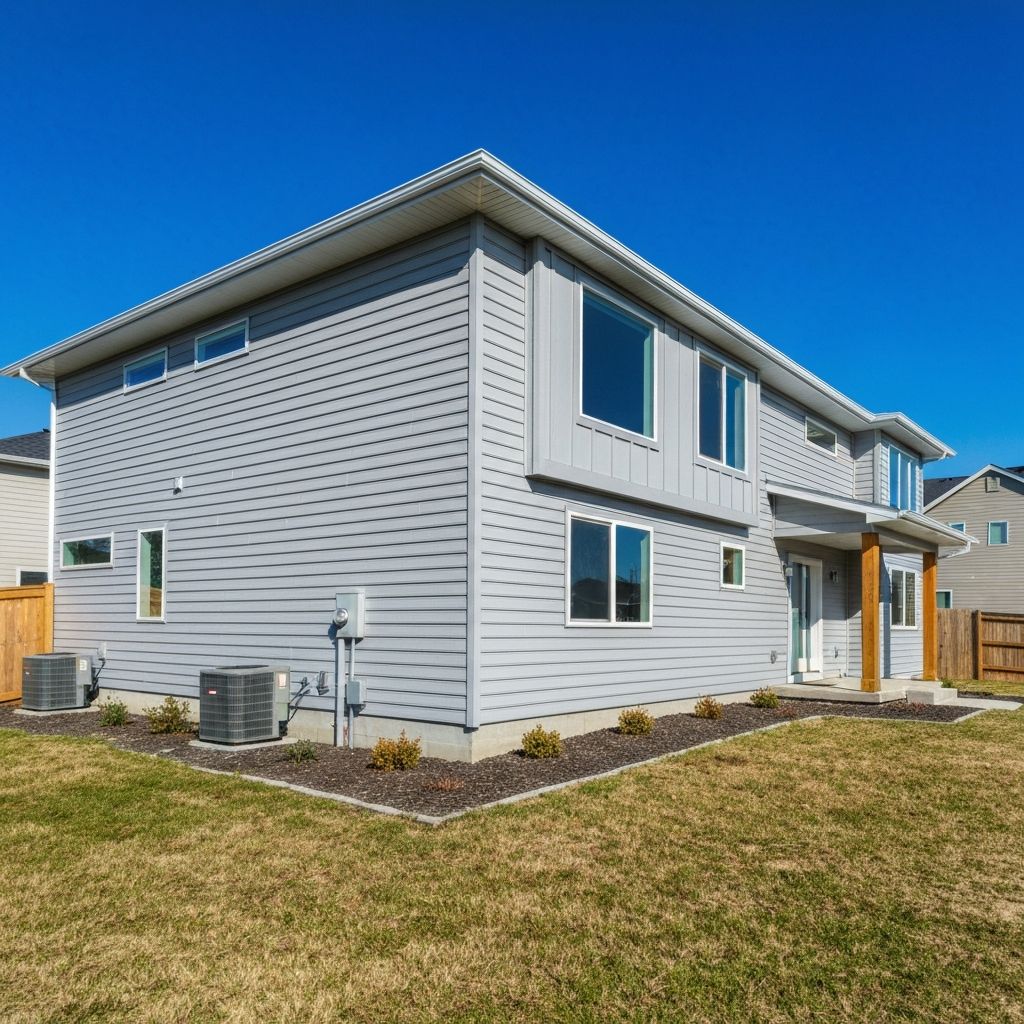
Both materials come in lap siding, shake, shingle, and board-and-batten styles. Fiber cement better mimics real wood grain and holds paint more naturally. Vinyl has improved significantly but can still look plastic in certain light. Color options are extensive for both.
Curb appeal affects home value. In upscale neighborhoods, fiber cement's authentic appearance may better match neighboring homes. In more modest areas, quality vinyl looks great and saves money.
Weather and Fire Resistance
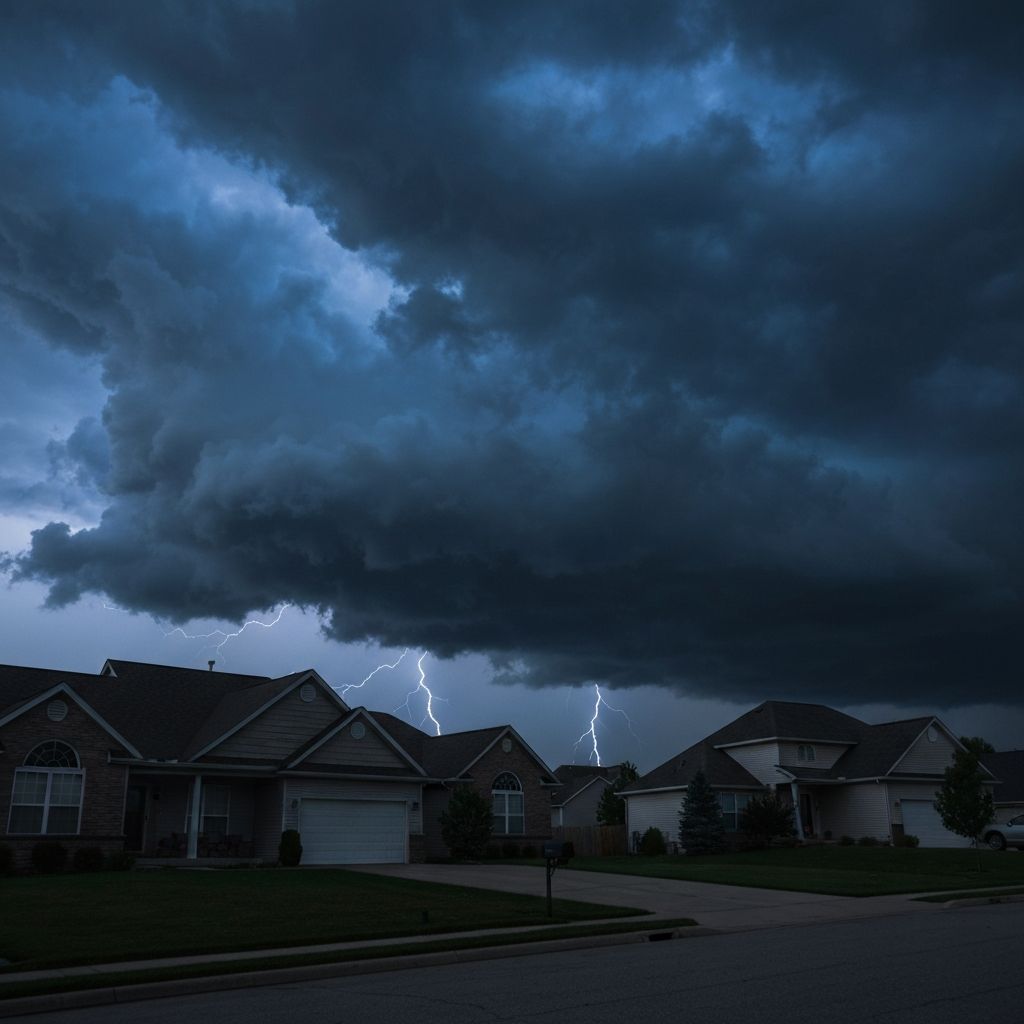
Fiber cement is non-combustible and earns a Class A fire rating. It also withstands high winds, hail, and impacts better than vinyl. Vinyl can melt in fires or from reflected heat and may crack if struck by large hail or debris.
In Indiana's severe weather, impact resistance matters. Fiber cement's durability provides peace of mind during storm season. Its fire resistance may also reduce insurance premiums.
Installation Considerations
Vinyl is lighter and easier to install, potentially reducing labor costs. Fiber cement is heavy and requires specialized cutting tools that create silica dust—proper safety equipment is essential. Both require experienced installers for best results.
Installation quality affects performance. Fiber cement's weight and cutting requirements mean not all siding contractors handle it well. Choose a contractor with specific fiber cement experience for that material.
Need Help With Your Siding Project?
Our experienced team can inspect your property and provide a free, no-obligation estimate.