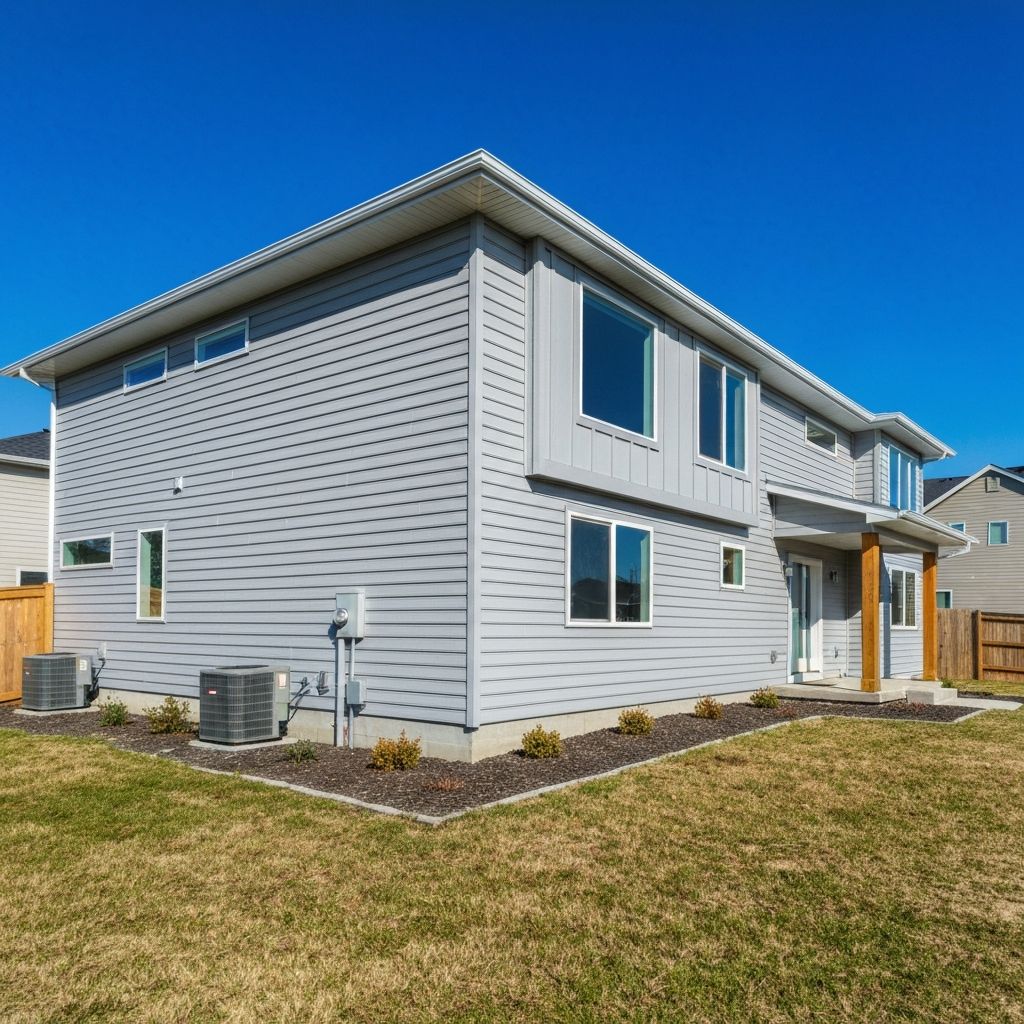
Signs Your Siding Needs Replaced
Common indicators that your home siding has reached the end of its useful life.
Warping, Buckling, or Bulging
Walk around your home and look at the siding from different angles. Healthy siding lies flat against the wall. Warping, buckling, or bulging indicates the siding has failed structurally, often due to moisture problems or age-related degradation.
Warped siding has usually failed underneath where you can't see. Moisture may have already damaged sheathing or framing behind it. The visible warping is a symptom of problems that won't resolve without replacement.
Peeling Paint or Loose Wallpaper Inside
Interior signs can indicate exterior siding failure. If paint peels or wallpaper loosens on exterior walls, moisture may be infiltrating through failing siding. Check especially under windows and along the bottom of exterior walls.
By the time moisture problems show up inside, significant damage may have occurred behind your walls. Interior symptoms of exterior failures often mean immediate attention is needed.
Frequent Need for Repainting
Quality paint on good siding should last 8-10 years. If you're repainting every 2-3 years to address peeling, cracking, or fading, the siding itself may be failing. The paint isn't the problem—the substrate is.
Constant repainting throws money at a symptom while ignoring the disease. Calculate what you've spent on paint and labor—it may justify replacement with low-maintenance siding.
Rot, Mold, or Fungus
Probe suspect areas with a screwdriver—rotted siding will be soft and give easily. Look for visible mold, mildew, or fungus growth, especially in shaded areas or near ground level. These indicate moisture problems the siding is no longer preventing.
Rot spreads from board to board and into framing. What looks like a small rotted area often reveals extensive damage when investigated. Mold indicates ongoing moisture problems that affect indoor air quality.
Severe Fading or Color Change
All siding fades over time, but severe or uneven fading indicates the protective coatings have failed. This is especially common on older vinyl siding. Severely faded siding has also lost much of its weather protection.
Fading is more than cosmetic—it indicates UV damage that has degraded the siding's ability to protect your home. Faded siding is often brittle and more susceptible to storm damage.
High Energy Bills
Siding that's failing often comes with deteriorated or wet insulation behind it. If your heating and cooling bills have increased without explanation, your home's envelope—including siding—may be compromised.
New siding installation is an opportunity to add modern insulation and improve your home's energy efficiency. The energy savings can offset some of the replacement cost over time.
Need Help With Your Siding Project?
Our experienced team can inspect your property and provide a free, no-obligation estimate.
Related Resources
Vinyl vs Fiber Cement Siding
A detailed comparison to help you choose the right siding material for your home.
Storm Damage Siding Checklist
Assess your siding for storm damage with this comprehensive inspection checklist.
Seasonal Home Maintenance Checklist
A comprehensive guide to keeping your home exterior in great shape throughout the year.