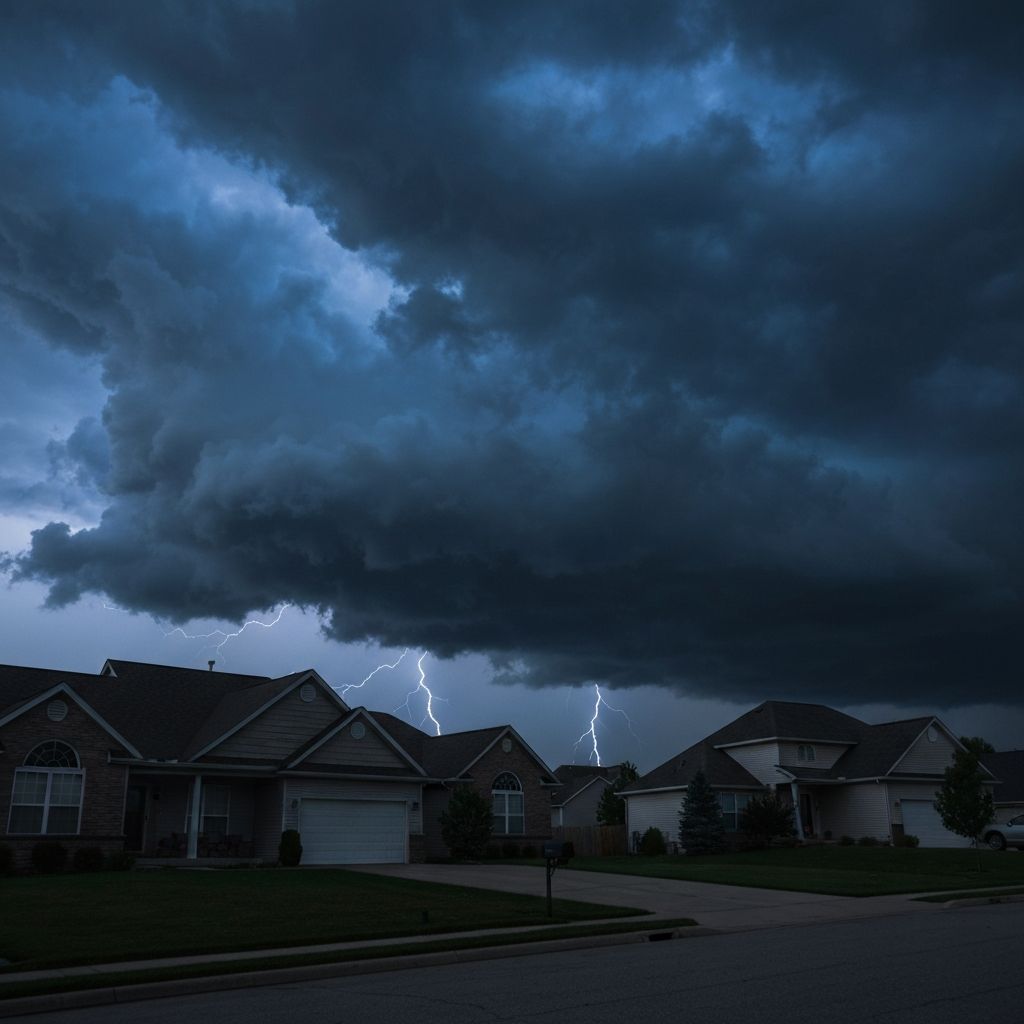
Storm Damage Siding Checklist
Assess your siding for storm damage with this comprehensive inspection checklist.
Walk the Entire Perimeter
Systematically inspect all sides of your home, not just the side facing the storm. Wind-driven rain and debris can damage siding from any direction. Take your time and look at the siding from multiple angles—some damage is only visible from certain viewpoints.
Thorough inspection ensures you don't miss damage that could worsen over time. Document every damaged area—spotty documentation leads to partial insurance claims.
Check for Cracks and Holes
Look for any cracks, holes, or punctures in the siding, particularly at or above window and door levels where airborne debris tends to impact. Even small holes allow moisture infiltration. Check vinyl siding for cracks that may have formed from hail or debris impact.
Any breach in your siding allows water behind the surface, potentially damaging insulation, sheathing, and framing. Small problems become big problems quickly when moisture is involved.
Look for Loose or Missing Pieces
Check that all siding panels are securely attached. Push gently on panels—they should have minimal movement. Look for sections that have pulled away from the wall, missing pieces, or panels that no longer overlap correctly.
Loose siding is vulnerable to wind in subsequent storms. Even if not visibly damaged, siding that's come loose needs to be resecured to prevent progressive failure.
Inspect for Dents and Dings
On metal and some vinyl siding, look for dents from hail impact. Check aluminum trim, soffits, and fascia as well. Dents may be cosmetic or may indicate more serious impact damage to the underlying structure.
Multiple dents in siding often correlate with roof damage. If your siding was hit hard enough to dent, your roof likely needs inspection too. This documentation supports comprehensive insurance claims.
Check Behind the Siding
If damage is visible, check if moisture has reached the underlying wall. Look for water stains in your basement or crawl space beneath damaged areas. Check interior walls for dampness, especially after rain following the storm.
Surface damage is often the tip of the iceberg. Understanding whether moisture has penetrated helps determine the scope of necessary repairs.
Document Everything
Photograph all damage from multiple angles with good lighting. Include wide shots showing the damage location on your house and close-ups showing damage details. Note the storm date and document weather reports. Keep damaged pieces if safely possible.
Thorough documentation is essential for insurance claims. Photos taken promptly after the storm establish that the damage occurred during that event, not from previous storms or normal wear.
Need Help With Your Siding Project?
Our experienced team can inspect your property and provide a free, no-obligation estimate.
Related Resources

Signs Your Siding Needs Replaced
Common indicators that your home siding has reached the end of its useful life.
Indiana Storm Damage Checklist
A complete checklist for Indiana homeowners to assess property damage after severe storms.
Insurance Claim Preparation Guide
How to document damage and prepare for a successful insurance claim process.