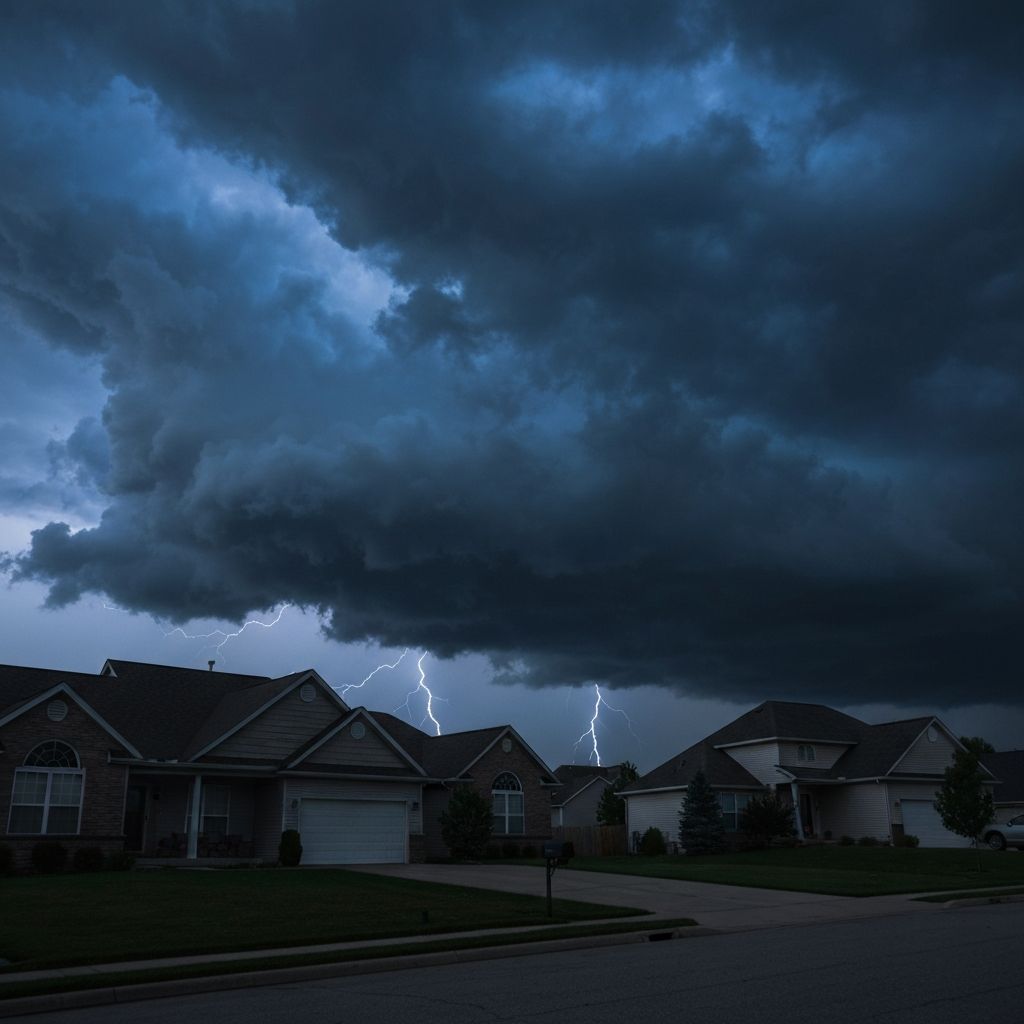
Indiana Storm Damage Checklist
A complete checklist for Indiana homeowners to assess property damage after severe storms.
Safety First Assessment
Before inspecting damage, ensure your safety. Watch for downed power lines and don't approach them. Check for gas leaks (smell or hissing sounds). Be cautious of structural damage—don't enter buildings that appear unstable. Wear sturdy shoes and gloves when walking debris-covered areas.
Indiana storms can create dangerous conditions that aren't immediately obvious. Downed power lines can energize metal fences and wet ground. Safety comes before property assessment.
Document the Event
Note the date and time of the storm. Save weather reports and any warnings you received. Check if your area was included in any official damage declarations. This documentation establishes when damage occurred for insurance purposes.
Insurance claims require connecting damage to specific events. Official storm documentation, especially National Weather Service reports, provides third-party verification of storm conditions in your area.
Roof Inspection
Look for missing or damaged shingles, exposed roof deck, or debris. Check flashing around chimneys, vents, and skylights. Inspect gutters for damage and unusual granule accumulation. Look for interior signs: water stains, leaks, or daylight in attic.
Roof damage is common in Indiana storms and often leads to secondary damage if not addressed quickly. Prompt identification and temporary protection prevent interior damage from subsequent rain.
Siding and Exterior Walls
Walk your home's perimeter checking for cracked, dented, or missing siding. Look for damage to window trim and door frames. Check for debris impacts and areas where wind may have loosened materials. Inspect brick and masonry for cracks.
Breaches in your home's envelope allow moisture infiltration. Indiana's humid summers and wet seasons mean even small openings can lead to significant hidden damage over time.
Windows and Doors
Check all windows for cracks, broken seals, or damaged frames. Test doors for proper operation—swelling or sticking may indicate structural movement. Look for water intrusion around frames. Don't forget garage doors and basement windows.
Windows and doors are structural weak points during storms. Damage may not be obvious—a window that looks fine might have broken seals that cause condensation and energy loss.
Trees and Landscaping
Assess trees for broken branches still hanging (widow makers), split trunks, or uprooting. Check if fallen trees or limbs have damaged structures, fences, or utility lines. Document landscape features that may need professional removal.
Damaged trees present ongoing hazards. Hanging limbs can fall during subsequent storms or on calm days. Tree removal costs may be covered under your homeowners policy if the tree damaged a covered structure.
File Your Claim Promptly
Contact your insurance company within days of the storm. Provide documentation including photos, videos, and written descriptions. Get temporary repairs to prevent further damage—keep receipts. Don't sign contracts with contractors until claims are underway.
Insurance policies have reporting timeframes. Prompt filing starts the claim process before contractor availability becomes scarce. Documenting temporary repairs shows good faith effort to mitigate damage.
Need Help With Your Storm Damage Project?
Our experienced team can inspect your property and provide a free, no-obligation estimate.
Related Resources
Roof Storm Damage Checklist
A comprehensive checklist to assess your roof after severe weather events.
What To Do After Hail Damage
Step-by-step guide for homeowners dealing with hail damage to their property.
Insurance Claim Preparation Guide
How to document damage and prepare for a successful insurance claim process.