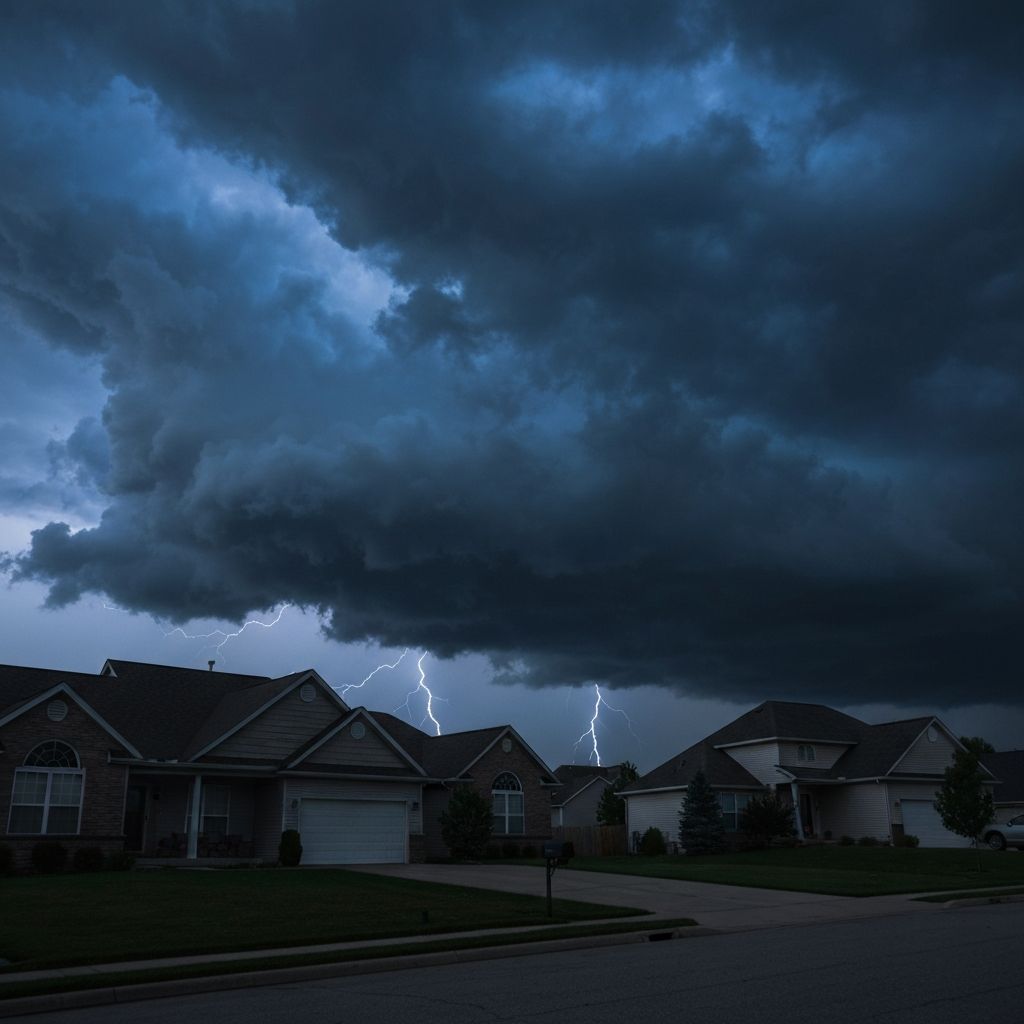
Roof Storm Damage Checklist
A comprehensive checklist to assess your roof after severe weather events.
Safety First: Ground-Level Inspection
Before climbing any ladders, walk around your property and look for obvious damage from the ground. Check for shingles or debris in your yard, dents in gutters or downspouts, and any visible damage to flashing around chimneys or vents.
Many signs of roof damage are visible from ground level. Starting safely on the ground lets you assess the situation and decide whether you need professional help before taking any risks.
Check for Missing or Damaged Shingles
Look for gaps in your roofline where shingles may be missing entirely. Also check for shingles that appear cracked, bent, or lifted at the corners. Hail damage often appears as dark spots or areas where granules have been knocked off.
Missing or damaged shingles expose your roof deck to water infiltration. Even small areas of damage can lead to leaks during the next rainfall, so prompt identification is essential.
Inspect Gutters and Downspouts
Check gutters for dents, cracks, or sections that have pulled away from the house. Look inside gutters for an unusual amount of granules—a sign your shingles took a beating. Ensure downspouts are still properly attached and directing water away from your foundation.
Damaged gutters can't properly channel water away from your home, leading to foundation issues, basement flooding, and accelerated roof deterioration at the edges.
Examine Flashing and Roof Penetrations
Inspect the metal flashing around chimneys, vents, skylights, and where the roof meets walls. Look for dents, lifted sections, or gaps where water could enter. These areas are common entry points for leaks after storms.
Flashing failures are among the most common causes of roof leaks. Storms can loosen or damage these critical seals, creating vulnerabilities that may not be obvious until the next rain.
Look for Interior Warning Signs
Go into your attic if accessible and look for daylight coming through the roof, water stains or wet spots on insulation, and any musty odors indicating moisture. Check upstairs ceilings for new stains or peeling paint.
Interior signs often reveal damage that isn't visible from outside. Catching leaks early in the attic prevents them from causing expensive damage to ceilings, walls, and belongings below.
Document Everything
Take photos and videos of all damage from multiple angles. Include wide shots showing the overall roof and close-ups of specific damage. Note the date of the storm and when you discovered the damage. This documentation is essential for insurance claims.
Thorough documentation supports your insurance claim and ensures you don't forget damage details when discussing repairs with contractors. Photos taken promptly after the storm carry more weight with insurers.
Need Help With Your Roofing Project?
Our experienced team can inspect your property and provide a free, no-obligation estimate.
Related Resources

7 Signs Your Roof May Need Replaced
Learn the key warning signs that indicate your roof may be reaching the end of its lifespan.
How To Know If Your Roof Has Hail Damage
Identify the telltale signs of hail damage on different types of roofing materials.
Indiana Storm Damage Checklist
A complete checklist for Indiana homeowners to assess property damage after severe storms.