What To Do After Hail Damage
Step-by-step guide for homeowners dealing with hail damage to their property.
Wait for the Storm to Pass
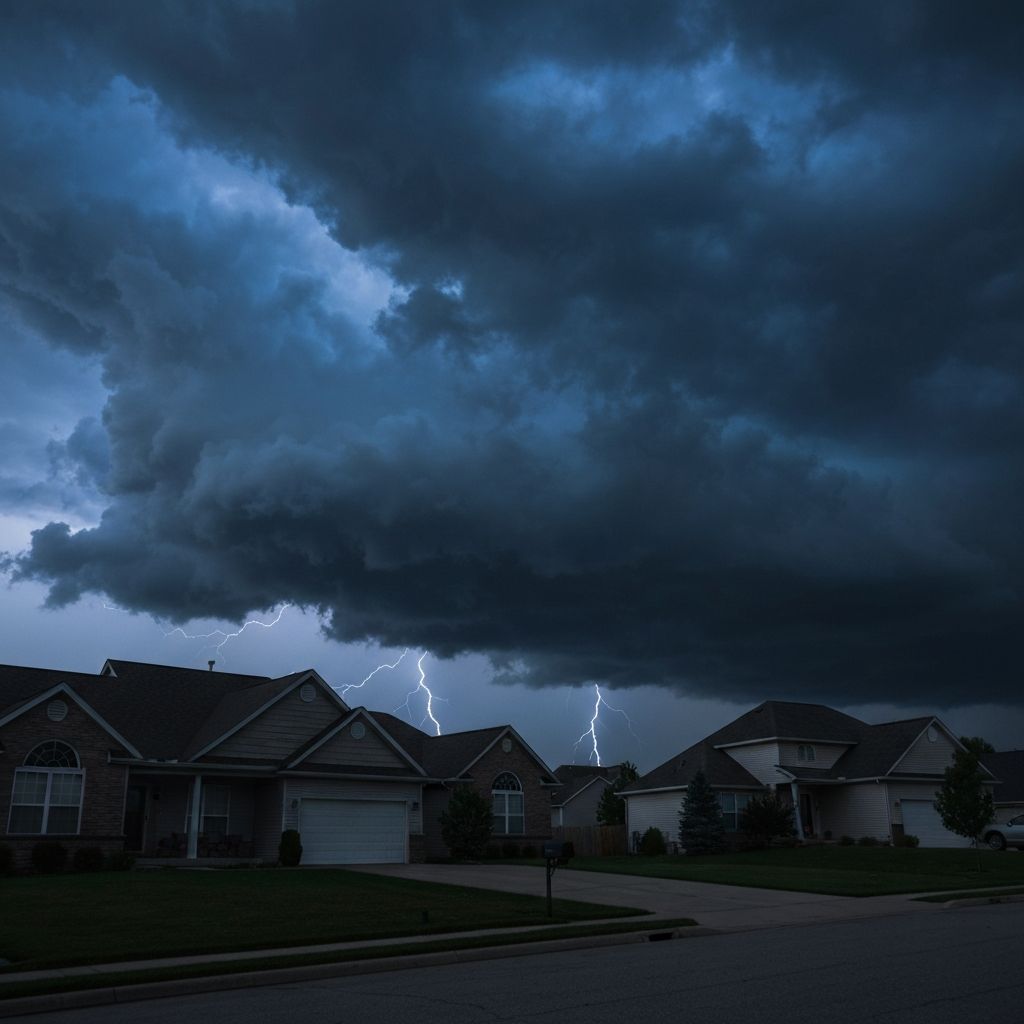
Don't go outside to inspect damage during the storm—hail can be deadly. Wait until conditions are completely safe before venturing out. Use this time to document the storm from inside: video the hail, note the time, and capture any dramatic conditions.
Your safety is paramount. Large hail kills people every year. Inside documentation of the storm itself provides valuable evidence for your claim and establishes when damage occurred.
Initial Property Assessment
Once safe, walk your property looking for obvious damage. Check vehicles for dents. Look at air conditioning units, gutters, and window screens—soft metals show hail damage clearly. Note any broken glass. Don't climb on the roof—that's for professionals.
Ground-level indicators help estimate storm severity. Dented gutters and AC units suggest roof damage even if shingles look fine from the ground. This preliminary assessment guides next steps.
Document Everything
Photograph and video all damage from multiple angles. Include wide shots showing location on your property and close-ups showing damage details. Photograph your neighbors' damage too—it establishes storm patterns. Save weather reports from local news and NWS.
Insurance adjusters see many claims. Thorough documentation distinguishes legitimate claims and ensures nothing is overlooked. Photos taken immediately after the storm carry more weight than those taken weeks later.
Protect Your Property
Make temporary repairs to prevent further damage: cover broken windows, tarp damaged roofs, collect broken siding. Don't make permanent repairs yet—the insurance adjuster needs to see the damage. Keep all receipts for temporary materials and labor.
Your policy requires you to mitigate damage. Failing to protect your property can reduce your claim. However, permanent repairs before inspection may also complicate claims—temporary measures strike the right balance.
Contact Your Insurance Company
File your claim promptly—most policies have time limits. Your agent will assign an adjuster. Before the adjuster visits, know your policy limits, deductible, and what's covered. Be present for the inspection and point out all documented damage.
After major hail events, adjuster availability becomes limited. Early claims get faster attention. Knowing your coverage prevents surprises about what's covered and your financial responsibility.
Get Professional Inspections
Have reputable contractors inspect your roof, siding, and any damaged systems. Get written reports and estimates. Get multiple estimates for major repairs. Be wary of storm chasers who appear immediately after damage—check credentials carefully.
Professional inspections often find damage homeowners miss. Written estimates support your insurance claim. Multiple estimates ensure fair pricing. Vetting contractors protects you from storm-chasing scam operations.
Understand Your Settlement Options
Insurance may offer Actual Cash Value (ACV) initially, holding back depreciation until repairs are completed. This Recoverable Depreciation is paid after you show repair receipts. Understand this process before accepting any settlement.
Many homeowners don't realize they're entitled to recoverable depreciation. Accepting ACV as final leaves money on the table. Complete proper repairs with licensed contractors to recover your full settlement.
Need Help With Your Storm Damage Project?
Our experienced team can inspect your property and provide a free, no-obligation estimate.
Related Resources
How To Know If Your Roof Has Hail Damage
Identify the telltale signs of hail damage on different types of roofing materials.
Indiana Storm Damage Checklist
A complete checklist for Indiana homeowners to assess property damage after severe storms.
Insurance Claim Preparation Guide
How to document damage and prepare for a successful insurance claim process.